
Save Here, Grow There: Smart Strategies for Diaspora and Expats
Managing money across borders isn’t just complex, it’s personal. This guide helps diaspora workers and expats balance remittances, savings, and long-term growth with a financial strategy that reflects their global reality and values.
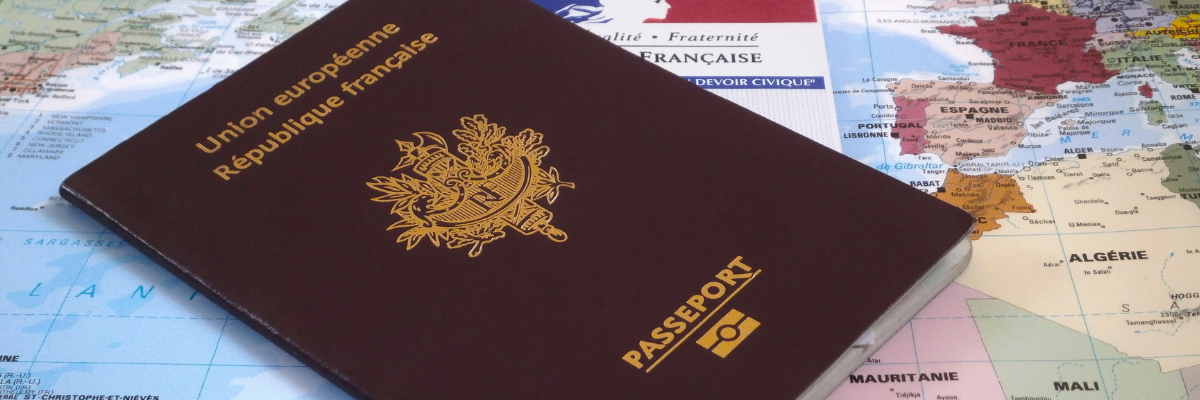
When you earn in one country, save in another, and support a family in a third, financial planning becomes more than just complicated. It becomes personal, high-stakes, and often emotionally exhausting.
That’s the daily reality for millions of diaspora workers and expats. Whether you’ve left home for better work, more stability, or new opportunity, managing your money across borders brings questions that most financial advice doesn’t answer:
Where should I keep my savings?
Should I invest locally or back home?
How do I grow my wealth when I’m constantly in between?
This article explores how to balance safety, growth, and values when your life and your income isn’t confined to one country.
The Global Lives Behind Global Remittances
Today, over 281 million people live outside their country of birth (UN DESA, 2023). Many are part of what’s called the global diaspora, people who have migrated for work, education, or opportunity, but still maintain emotional and financial ties to their home country.
Every year, these workers send over $860 billion back to their families (World Bank, 2023). These are known as remittances, cross-border transfers often used to cover basic needs, school fees, or medical emergencies.
But while much attention is given to what diaspora workers send, very little is said about what they keep, and how they’re building (or losing) wealth in the long term.
The Problem with Splitting Your Financial Life
Diaspora and expat workers face a unique set of financial dilemmas:
- Where to bank? Some host countries don’t offer full access to financial services for non-citizens or short-term visa holders.
- Currency instability. Many workers earn in USD or EUR, but their home currencies may be highly volatile. In 2023, the Egyptian pound fell by more than 40%, and the Nigerian naira lost over 50% of its value.
- Legal barriers. Some investment platforms restrict access based on IP address, nationality, or tax residency.
- Family pressure. Many feel compelled to send every spare dollar home, leaving little room for personal savings or growth.
The result? Money flows out fast, but rarely builds anything for the person earning it.
The Save-Here, Grow-There Strategy
If your life spans borders, your financial strategy should too. Here’s a practical model that many diaspora and expat professionals are adopting:
1. Anchor Your Core Savings in a Stable Currency
If you earn in USD or EUR, keep a portion of your savings in that same currency. Avoid converting everything into local money unless necessary, especially if your home country’s currency is unstable.
Stablecoins like USDC, a cryptocurrency pegged to the US dollar are becoming popular among remittance workers who want digital access to USD without relying on banks.
In Lebanon and Argentina, some workers store earnings in USDC to shield themselves from triple-digit inflation (Chainalysis, 2023).
2. Diversify Across Regions, Not Just Assets
Many investors focus on asset types (stocks, real estate, etc.). But as a cross-border earner, you should also diversify by region.
For example:
- Save short-term funds in your host country (where you earn)
- Invest in ETFs or halal funds that operate internationally
- Keep part of your savings accessible to your family back home
The goal is resilience. If one market fails, your entire portfolio doesn’t collapse.
3. Automate What You Send, Then Focus on What You Keep
Set a consistent remittance schedule, then mentally (and financially) separate your support money from your future money.
Many diaspora workers feel guilty saving while their families struggle, but long-term stability for you means more ability to support them later. Automation helps remove emotion from the equation.
How Global Workers Are Actually Doing It
In Southeast Asia, nurses and domestic workers in Singapore and Hong Kong are using multi-currency wallets like Wise and Instarem to hold funds in USD, send money home, and manage expenses in their host country — all within one app.
In the Gulf, engineers and teachers from India, Pakistan, and the Philippines are investing in Shariah-compliant REITs (real estate investment trusts) that allow property exposure without owning physical assets.
And in the UK, young professionals from Morocco and Turkey are pooling funds with friends to invest in ethical micro-businesses back home, a strategy that combines impact with community.
Each of these examples shares one principle: your financial system should reflect your life, not restrict it.
You Don’t Have to Choose Between Here and There
Your income, identity, and future don’t belong to just one country and neither should your money.
With the right structure, you can save in a strong currency, invest in a way that reflects your values, and support your loved ones, all at the same time.
The key is intentionality.
Not just sending money out. But building something for yourself, too.
Because a cross-border life isn’t a burden. It’s a blueprint.
You just need the right tools to build with it.
Subscribe to our newsletter
Join our newsletter and never miss an update!
Also to read


© 2026 The Lifedao. All rights reserved.