
Does Inflation Pay for Wars? How Governments Have Financed War, From Henry VIII to Today

Written by
Sharene Lee
Governments have paid for wars by debasing coins, borrowing and letting inflation shrink savings. The history, the 2026 numbers and what you can do about it.
Key takeaways
- Yes, often. Governments have repeatedly paid for wars by creating more money than there was real output to match it, from Henry VIII cutting the silver in England's coins in the 1540s to wartime paper money and borrowing today.
- The bill lands on people who hold money, not on a tax vote. It arrives as higher prices, and it takes from your future buying power.
- The method changed: first debasing the coin, then borrowing against future taxes, then suspending the gold link in wartime, and finally ending it for good in 1971.
- In 2026 the Pentagon told Congress the US part of the Iran war had cost $45.1 billion by early September, and the Congressional Budget Office expects the war to add about 0.5 percentage points to US inflation in early 2027.
- What you can do: look at what you hold and ask whether anyone can print it, freeze it or reprice it overnight, then consider holding some of your wealth in hard money such as bitcoin and gold.
Inflation has paid for wars many times. When a government needs more money for a war than it can raise in taxes, it can borrow, and it can create money. Both can push prices up, and the people who lose most are those holding savings in that currency.
Over the weekend of 10 October 2026, an attack on King Khalid International Airport in Riyadh killed 12 people and wounded more than 300, according to Saudi civil aviation authorities. I live 15 minutes from that airport. We'd been in Kuwait for a short family visit, and on the way home we passed the airport hotel near our house: heavy traffic, a military presence, big tour buses with passengers getting off. At first I was worried. Then everything looked calm, so I figured it was a convention with important guests. Only the next morning, when I read the news, did I realize what I'd driven past. Riyadh is still calm and life goes on as usual. But it got me thinking about how wars are paid for. The war behind this attack began on 28 February 2026, and in March officials were talking about weeks. It is now in its eighth month.
Does inflation pay for wars?
Short answer: Often, yes. A government can fund a war by creating money, by borrowing, or both. New money spent into an economy pushes prices up, and borrowing repaid later in cheaper money does the same job more quietly. Either way, the cost falls on whoever holds the currency, not on a tax everyone voted for.
It isn't automatic, and it isn't always large. Taxes, price controls and rationing can limit the damage, and historians disagree about how big the price effects were in some wars. But the pattern repeats across centuries.
How did governments pay for wars before modern banking?
Short answer: They took. From other people, through plunder and tribute, or from their own people, through taxes, forced loans and by cutting the metal in the coinage. Rulers who could not afford a war with the money they had often simply made the money go further by making it worth less.
Rome reduced the silver in its coin over centuries. One source notes the denarius's silver fell from about 98% to about 93% under Nero, and later emperors went further; sources differ on the exact figures. I'll stick to what is solid: over a long time, the coin held less silver.
What was the Great Debasement?
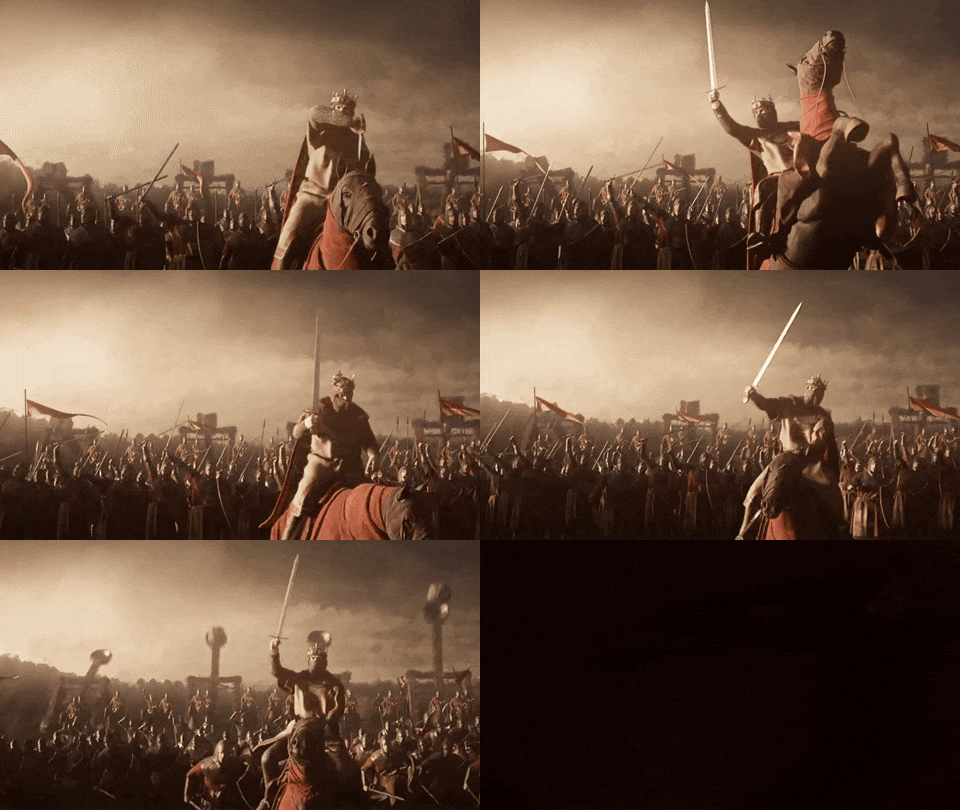
Short answer: It was Henry VIII's cut to the silver in England's coins in the 1540s to pay for his wars with France and Scotland. Silver content fell from about 92.5% to about 50% by 1545, and to about a third by 1547, according to Wikipedia. Prices rose, and Elizabeth restored the currency in 1560.
Think of a restaurant that waters down the soup to feed more guests. Same pot, thinner every time. The King spent the coins first. Prices rose afterward, and good coins vanished from circulation, because people kept the good ones and spent the bad: that's Gresham's law.
Economists Alvarez and Bignon, in a University of Toronto working paper, call the Great Debasement highly effective financing for Henry's wars, and find the inflation was lower than monetary formulae predicted, so the spenders gained. One source cites a 123% rise in English consumer prices between 1541 and 1556. Treat the exact figures with care. The part that isn't disputed is who paid: whoever held the coin when its value fell.
When did borrowing take over, and what happened to the gold link?
Short answer: Borrowing took over from the 1690s, when the Bank of England was founded to lend the Crown money for a war with France. In big wars, governments then suspended the gold link: Britain in 1797 and the US in 1862. The US ended the dollar's gold link for good on 15 August 1971.
The Bank of England was established by Royal Charter on 27 July 1694. The Bank's own archive says it was set up to raise money to fund a war with France: £1.2 million, raised in about 11 days from over 1,200 subscribers, backed by duties and paying 8% interest. A permanent national debt and a bank that could lend against it arrived together.
In February 1797, the Bank of England stopped redeeming its notes in gold. The suspension lasted until 1821 and covered most of the Napoleonic Wars. Historians disagree about how large the price effect was: one measure puts prices about 22% above their 1797 level by 1815, another finds it mild. The US Legal Tender Act of 25 February 1862 authorized $150 million of notes that were not backed by gold, and about $450 million of greenbacks were in circulation by the war's end. Inflation averaged about 80% over the Civil War, and the notes fell to about 40 cents against gold in early 1864, before returning near par by war's end.
From 1942 until the Treasury-Fed Accord of March 1951, the Federal Reserve capped long Treasury yields near 2.5%, keeping the cost of war borrowing low. The cap was eased only when inflation, above 8% a year by 1951, made it unsustainable. Nixon ended the dollar's convertibility to gold on 15 August 1971, calling it temporary. It never came back, and historians list Vietnam-era war spending among the strains behind the decision.
Who is paying for the 2026 Iran war?
Short answer: Mostly borrowers and then savers. The Pentagon told Congress the US part of the war had cost $45.1 billion by 3 September 2026. The Congressional Budget Office estimated $38 billion through 1 August, about $2 to $3 billion a month after that, and a rise of about 0.5 percentage points in US inflation in early 2027, mainly from higher energy prices.
Two cautions. These are US figures only; they don't include the costs to other countries or the damage to US bases in the region, and the CBO's estimate doesn't include interest on the money borrowed. And the CBO's inflation estimate is a projection with, in its own words, considerable uncertainty. US annual inflation was reported at 3.4% in August, up from 2.4% in February, but that comparison doesn't prove the war caused the difference.
Is this a conspiracy?
Short answer: No. It's how the system is built. When money is created as debt, a government can pay for a war without asking its citizens first, and the bill arrives later as prices. That's a structural fact, not a plot, and no one has to be acting in bad faith for it to happen.
The debt also carries interest. That interest is prohibited in Islam is settled, and it is one reason the standing thesis of this series exists: if money is debt with interest, wars become easier to start and harder to end. Wa Allahu alim.
What can you do about it?
Short answer: Look at what you hold and ask whether anyone can print it, freeze it or reprice it overnight. Then consider holding a portion of your wealth in hard money that no government can create at will, such as bitcoin and gold, alongside what you already have. It's a direction, not an instruction to move everything.
- List what you hold, and in what. Currency, bank balances, bonds, property. Note which of them a government or a bank can print, freeze or reprice.
- Ask whose name the money is held in. A balance in a bank or an app is a claim on a company.
- Consider diversifying some of your wealth into hard money, like BTC and gold. No timing, no amount; learn how it works before relying on it.
- Keep what you need for bills where it is. None of this calls for panic. Riyadh is calm, and life goes on.
The Future of Finance course covers how money is created and why prices rise in Lesson 1.1, at academy.thelifedao.io. We built The Lifedao as a non-custodial Nobank for the same reason: nobody sits in the middle of your money. Nobody should promise you unrestricted access to anything, and holding your own keys means the risk is yours.
FAQ
Does inflation pay for wars? Often, yes. Governments have funded wars by creating money and by borrowing, which push prices up and shrink what savings can buy. The cost falls on those who hold the currency, not on a tax vote.
What was the Great Debasement? It was Henry VIII's cut to the silver in England's coins in the 1540s, from about 92.5% to about 50% by 1545, to pay for wars with France and Scotland. Prices rose, and Elizabeth restored the currency in 1560.
Why was the Bank of England founded? It was founded on 27 July 1694 to raise money for a war with France, lending the Crown £1.2 million.
When did the dollar stop being linked to gold? On 15 August 1971, when Nixon ended the dollar's convertibility to gold. He called it temporary, and it never returned.
How much has the 2026 Iran war cost the US? The Pentagon told Congress $45.1 billion by 3 September 2026. The CBO put the direct cost at about $38 billion through 1 August, rising by $2 to $3 billion a month, and expects the war to add about 0.5 percentage points to inflation in early 2027.
Sources: CNBC, CNN and CBS News (10 October 2026); Al Jazeera (9 October 2026); Fortune (15 March 2026); CNN (18 September 2026); Time (15 September 2026), reporting the CBO; Bank of England Museum; Wikipedia, "The Great Debasement"; Alvarez and Bignon, University of Toronto working paper TECIPA-417; VoxEU; History.com; Brookings; the US State Department Office of the Historian. Full source log with dates in the week's sources.md.
Subscribe to our newsletter
Join our newsletter and never miss an update!
Also to read


© 2026 The Lifedao. All rights reserved.